


Carpathian Mountains
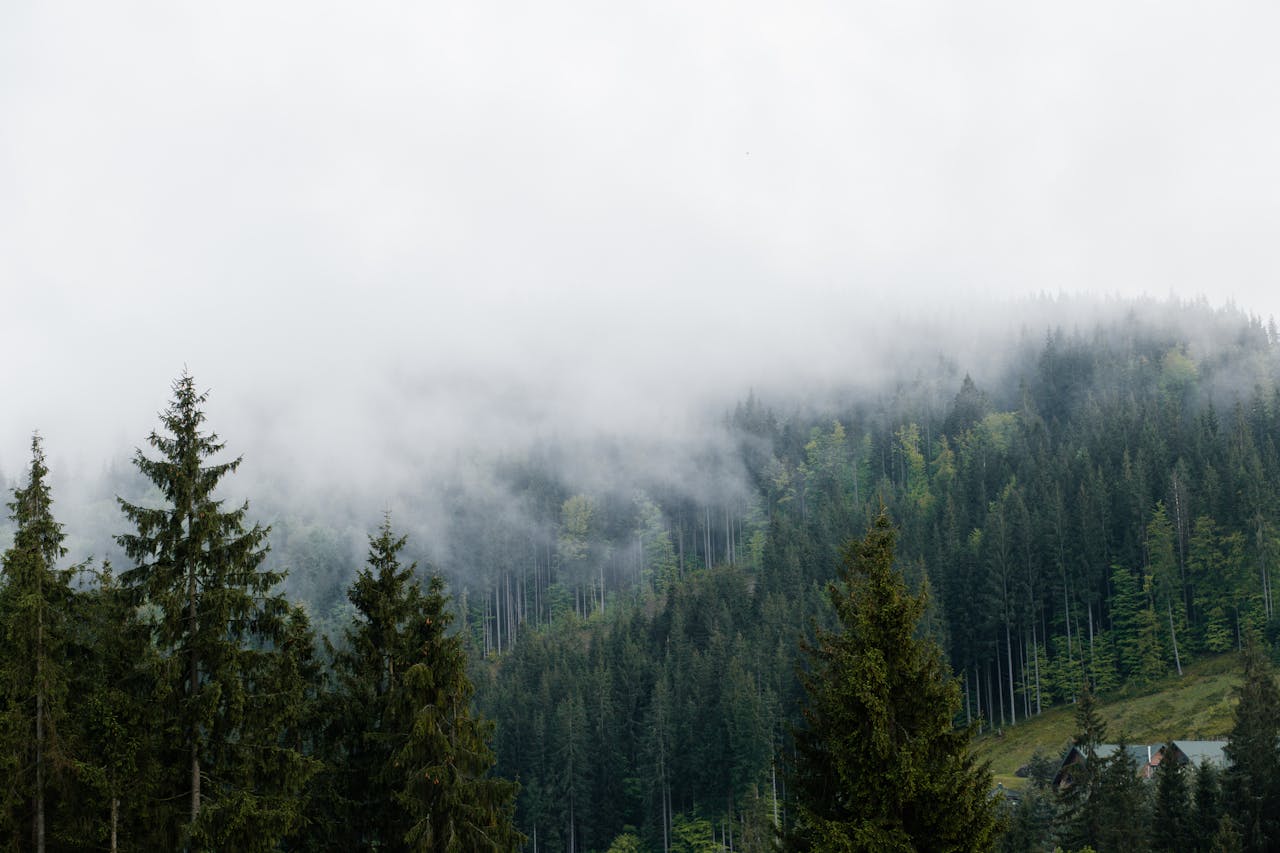
There are places in the world where the conditions for exceptional honey align so perfectly that the result can only be described as extraordinary. The Carpathian Mountains which form a 1,500 km long arc across Central and Eastern Europe, spanning eight countries: Romania (hosting the largest share), Slovakia, Poland, Ukraine, Hungary, Czech Republic, Serbia, and a small part of Austria, are one such place. This is where all Honey Hills honey originates, and understanding why this region is special is key to understanding what makes our honey different.
Carpathian Mountains Honey
What makes the Romanian Carpathian Mountains unique for honey?
The Romanian Carpathian Mountains contain some of the last remaining old-growth forests in Europe. Large areas are protected as national parks or biosphere reserves, including the Carpathian Mountains Bison Land Nature Reserve, where some of our hives are located. The landscape is extraordinarily biodiverse – ancient forests of fir, pine, oak, and beech mingle with wildflower meadows, orchards, and wetland areas.
Critically, this biodiversity has not been homogenised by intensive agriculture. There are no monoculture fields here, no blanket pesticide applications, and no industrialised land use of the kind that has devastated bee populations across much of Western Europe. The bees forage on genuinely wild flora, which is why the flavour of the honey is so distinctive.
The tradition of beekeeping in the Romanian Carpathian Mountains
Beekeeping in the Romanian Carpathian Mountains is not a new industry – it is a millennial tradition, woven into the fabric of rural life in a way that has all but disappeared elsewhere. The beekeepers we work with are small-scale producers, often families who have been keeping bees for multiple generations. They work in harmony with the natural rhythms of the landscape, moving hives to follow the flowering of different plants through the seasons.
This practice – known as transhumance beekeeping, is how some of our most distinctive honeys are created. Our Forest and Raspberry Honey, for example, is made by moving hives first to wild raspberry blossom in early summer, then into the deep forest to develop more complex pine and resin notes. The result is a honey that no factory process could replicate.
Key Carpathian honey varieties
Fir Honeydew Honey
Collected from fir trees in the high mountain forests, this is one of the most prized honeys in Central Europe. Rich amber in colour, with complex resinous and spiced notes – our Fir Honeydew is a two-star Great Taste Award winner.
Mountain Sumac honey
Sourced from sumac blossom in the Carpathian foothills, this extraordinary honey won three Great Taste Award stars in 2025 – the highest possible rating. Judges praised its elderflower character, bright citrus notes, and ‘beautiful’ balanced sweetness.
Silver Linden Blossom Honey
The silver linden tree has a brief flowering window, and the honey it produces is considered a delicacy. Pale golden and intensely floral, with a distinctive spearmint freshness that makes it unlike any other honey.
Wild Cherry Blossom Honey
One of the first honeys of the year, collected in early spring when the bees are waking from winter and cherry trees briefly flower. Available only in small quantities, it has a light, delicate flavour with a clean, slightly fruity finish.
Mountain Product Certification
Several of our honeys carry EU Mountain Product certification – a designation that guarantees the honey was produced in mountain areas, where farming conditions are more demanding and biodiversity is typically higher. This is a meaningful assurance of provenance, not just a marketing claim.
Why Carpathian honey is rare in the UK
The small-scale, artisanal nature of Carpathian honey production means that output is inherently limited. These honeys are not produced in industrial quantities – they cannot be. The beekeepers we work with sell primarily at local markets within Romania, and Honey Hills was founded specifically to bring these extraordinary products to UK customers who would otherwise never encounter them.
When you buy a jar of Honey Hills honey, you are getting something genuinely rare: a product made by a single beekeeper, in a specific location, from a specific botanical source, in a specific season. That specificity is the foundation of everything.


